September growing tips
Growing tips for september
Christine from Good Roots Collective CIC has shared some top tips for growing food this autumn. Through gardening, creative activities and hands-on nature-based experiences, Good Roots helps people connect with nature while learning how to grow fresh food and care for their local environment. Their work brings communities together to nurture a deeper connection with the natural world. We are grateful for Christine’s top tips for food growing this September: there is still plenty you can sow this month even as the weather turns autumnal!
September and October bring a real shift in the garden. Summer crops slow down, the nights draw in and there’s a definite chill in the air. But you don’t need to see autumn as the end of the growing season — far from it. There’s still plenty you can sow, even as the weather turns.
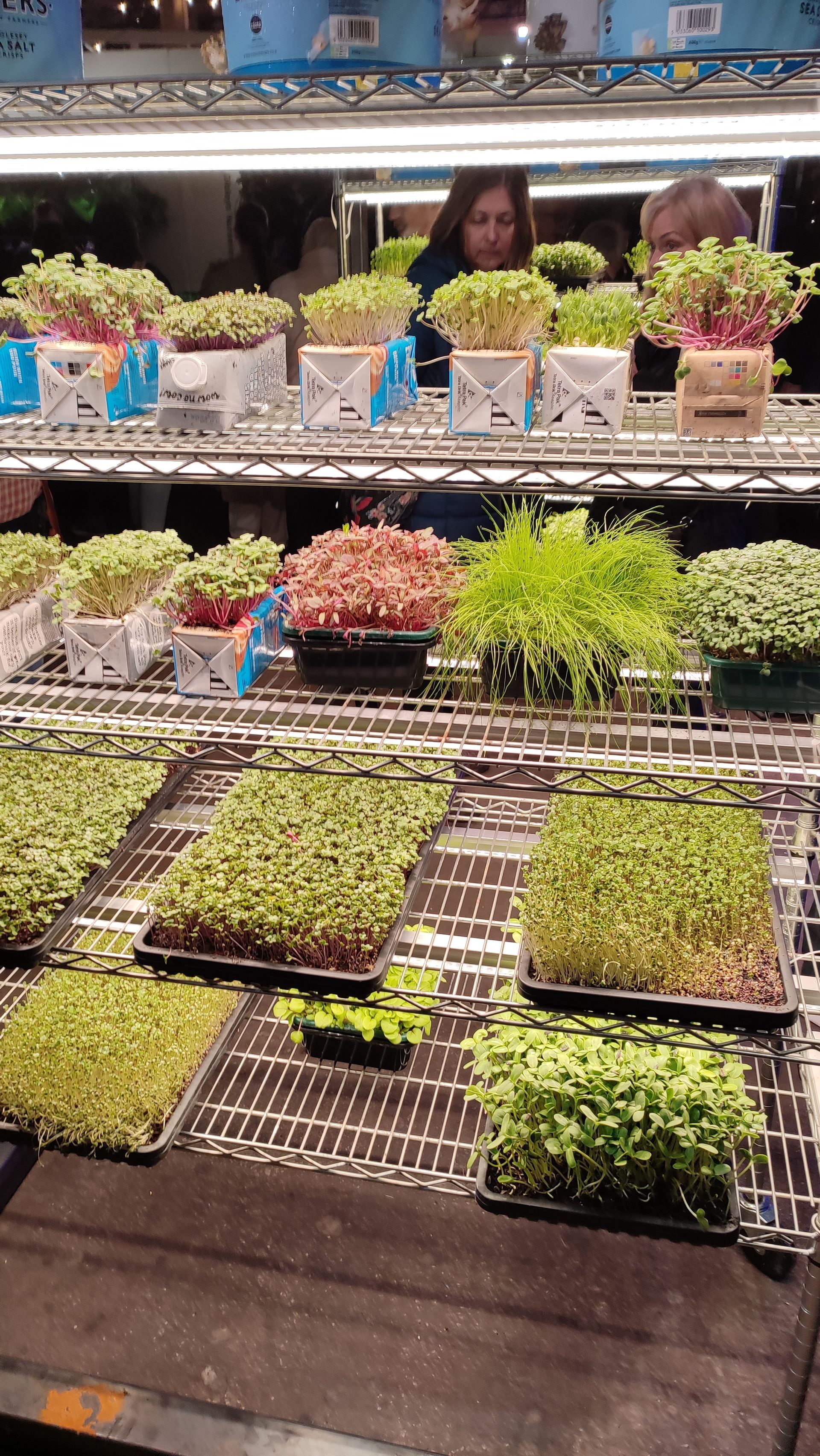
A surprising number of crops are happy to get started now and will keep producing through the colder months if you have a covered area like a small greenhouse. Mizuna, loose leaf lettuce, coriander and chard are all good options for a harvest of fresh leaves through the winter. You don’t need a big garden either — pots, containers or even a sunny windowsill can become productive growing spaces especially for nutritious microgreens.
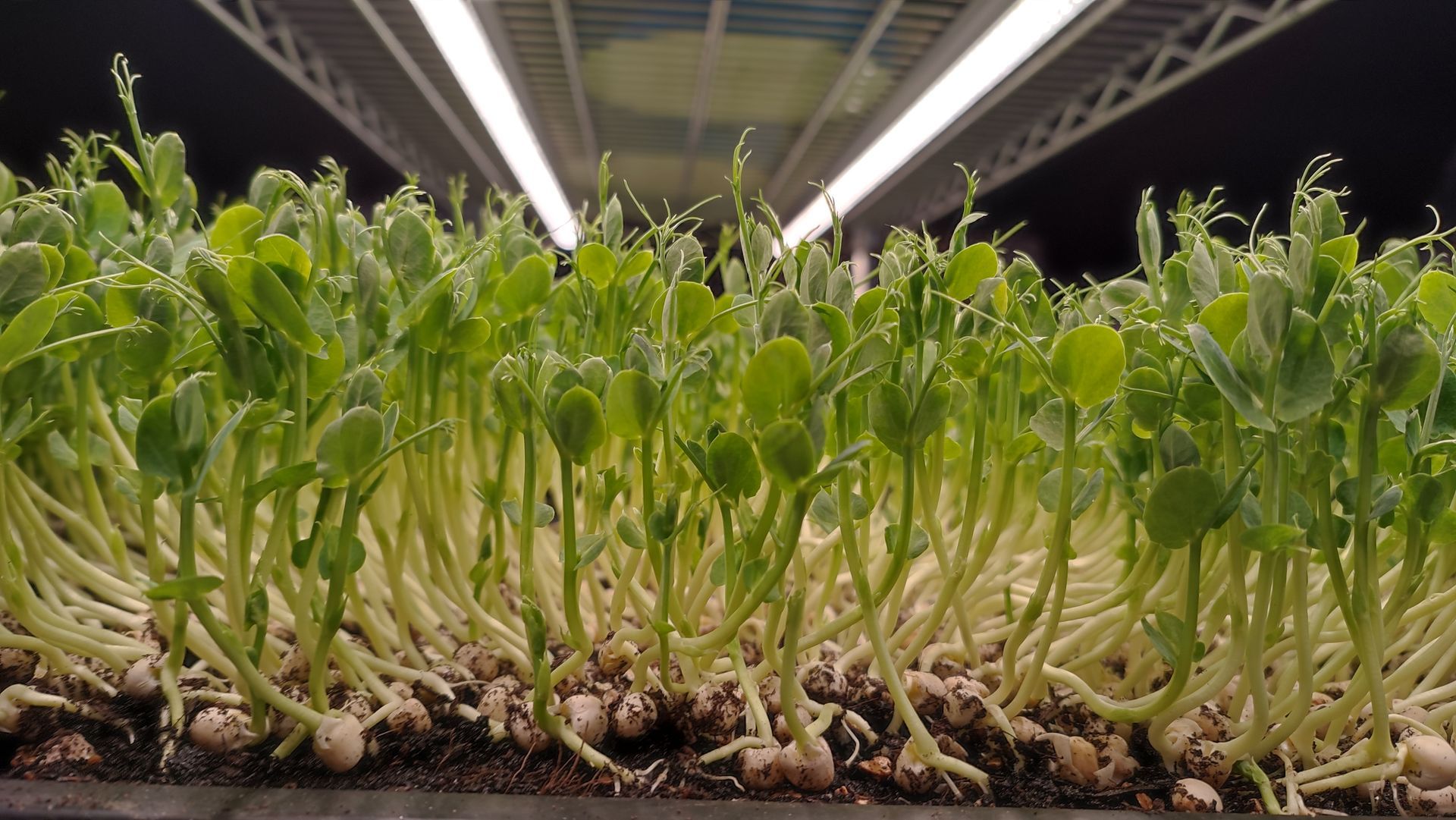
One of the biggest challenges in autumn is less daylight. Seeds need warmth and moisture to germinate, while young plants need plenty of light to grow strongly. As the days shorten, germination can become slower and seedlings may become tall and thin as they stretch towards the available light.
A grow light can make a big difference when natural light is limited. Set above your pots or seed trays, it gives plants the extra boost they need to keep producing fresh leaves and herbs right through winter. It’s a simple way to bring growing indoors — especially if your home doesn’t have a bright windowsill. A grow light produces a mix of wavelengths that mimic sunlight. Plants don’t use all light equally — they mainly rely on blue and red wavelengths for photosynthesis, and respond differently depending on the balance. At this time of the year, UV light at the blue end of the spectrum, and infrared light are the most useful for growing strong leafy plants so it’s best to use a full-spectrum LED grow light on your indoor crops. Sow small amounts regularly and you’ll have a steady supply of fresh young leaves all winter.
Good Roots CIC run courses and workshops on windowsill growing, microgreens and growing with grow lights, you can find out more by emailing us at goodrootscic@gmail.com